
For investors
Venezuela real estate FAQ for foreign investors
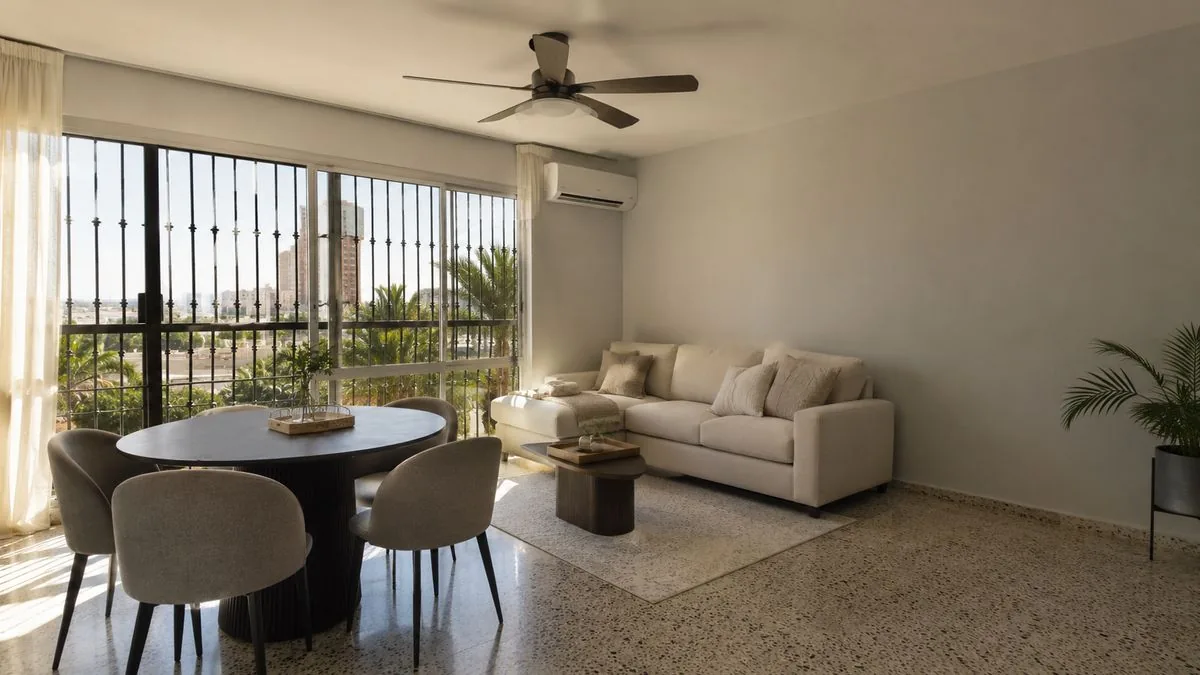
These are the questions I receive most often from investors, Venezuelan and foreign, about buying property in Venezuela. They are grouped into six blocks and answered directly: the first sentence answers, the rest explains. If your question is not here, write to me and I will add it.
I work with buyers living in the United States, Spain, Chile, Colombia and Panama, and while every case differs, the questions repeat. I would rather gather them in one place than answer them one at a time. This page is updated whenever something material changes.
Block 1. Legality and ownership
Can a foreigner buy property in Venezuela?
Yes. Venezuelan law allows foreign nationals to acquire urban property and does not require permanent residency to do so. Restrictions apply to border zones, military areas and certain coastal and easement strips, which a lawyer should review case by case.
Will the property be in my name even though I live abroad?
Yes. Title does not depend on where you reside. What you need if you are not travelling is a power of attorney drafted specifically for the transaction so a trusted representative can sign for you.
How do I know the seller actually owns it?
Through a title search carried out by an independent lawyer before you pay. That search confirms ownership, verifies the property is free of liens and detects any prohibition on sale. It is the step that prevents most problems.
Block 2. Money and payments
What currency do transactions use?
Dollars. The vast majority of property transactions in Maracaibo, Zulia and across the country are agreed and paid in hard currency.
Do I need financing?
There is no long term mortgage credit in Venezuela, so transactions are paid in cash. This keeps prices from being inflated by leverage while also limiting the buyer universe.
How is payment structured safely?
In stages, and always against documents. Money is never handed over without written backing setting out what is being paid and what obligation it creates. The usual structure is a notarised purchase option with a deposit, and the balance against final signature.
How large is the deposit?
Typically 10 to 20 percent of the price, with 30 to 90 days to reach final signature. That window is the time for legal review and document preparation.
Block 3. Transaction costs
What does the transaction cost above the price?
There are registration fees, document drafting and the agency commission. Market commission in Venezuela runs around 5 percent and by practice is usually borne by the seller. Always ask for the breakdown in writing before signing.
How long does the full process take?
Between two and six months from agreement to final registration. The variable that stretches it most is incomplete seller documentation, not buyer willingness.
Block 4. Yield and exit
What does a rental property earn?
Typical gross yield in Maracaibo is around 7.2 percent a year, with net closer to a 4.5 to 5.5 percent range after vacancy, building fees, maintenance and management. In Margarita, beachfront holiday rentals report gross yields of 6 to 10 percent.
What if the tenant stops paying?
Recovering the property is slow, with a realistic estimate of 8 to 18 months from the first missed payment. That is why tenant selection matters more than the highest rent, and why landlords usually ask for several months up front.
Who will I sell to when I want out?
Another cash buyer, which is the most delicate part of this investment. With no mortgages, the buyer universe is narrow and selling time is measured in months. Properties with independent water, backup power and fibre move; grid dependent ones stall.
Will prices rise?
Nobody serious can promise that. What can be said is that prices sit far below their historic reference, around 85 percent below the 2014 peak in premium Caracas segments, and that 2025 saw broad increases of 5 to 10 percent across the main cities.
Block 5. Buying and managing remotely
Can I buy without travelling to Venezuela?
Yes, and it is routine. It is done with video call tours, document verification before commitment and a power of attorney so a representative signs for you. What must never happen is paying before verifying.
Who manages the property if I live abroad?
A professional manager or a trusted person with responsibilities defined in writing. Someone has to collect rent, deal with the tenant, handle repairs and inspect the property. If nobody does, the property deteriorates and loses resale value.
What happens if I leave the property empty?
It deteriorates faster than expected, especially in the Maracaibo climate. Damp, electrical installations, water pumps and the garden are the first things lost, and a neglected property drops out of the liquid segment of the market.
Block 6. Risk
What is the real risk of investing in Venezuela today?
Exit liquidity first, institutional framework second. Private analysis such as FTI Consulting's places the country in a cautionary restriction zone and warns that expropriations and arbitrations are too recent to attract institutional capital at scale.
Which investor profile fits this market?
Someone with a horizon of five years or more, capital they can immobilise, a preference for properties with autonomous services and the discipline to verify before paying. Anyone needing liquidity within two or three years should wait.
This page is informational and does not constitute legal or tax advice. Every transaction should be reviewed with a lawyer and, where relevant, with a tax advisor in your country of residence.
Frequently asked questions
Can a foreigner buy property in Venezuela?
Yes. Venezuelan law allows foreign nationals to acquire urban property and does not require permanent residency. Restrictions apply to border zones, military areas and certain coastal strips, which a lawyer should review case by case.
Can I buy property in Venezuela without travelling there?
Yes, and it is a routine transaction. It is done with video call tours, document verification before any money is committed, and a power of attorney so a trusted representative signs on your behalf.
What currency is used to buy property in Venezuela?
Dollars. The vast majority of transactions in Maracaibo, Zulia and across the country are agreed and paid in hard currency, and since there is no long term mortgage credit, purchases are made in cash.
What does a rental property earn in Venezuela?
Typical gross yield in Maracaibo is around 7.2 percent a year with net closer to 4.5 to 5.5 percent. In Margarita, beachfront holiday rentals report gross yields of 6 to 10 percent.
How long does buying property in Venezuela take?
Between two and six months from agreement to final registration, with a purchase option that usually allows 30 to 90 days. Incomplete seller documentation is what stretches the timeline most.
What is the biggest risk of investing in Venezuelan property?
Exit liquidity. With no mortgages, your eventual buyer also pays cash, the buyer universe is narrow and selling can take months.
Ready to take the step?
Let's talk about your situation, no strings attached. I reply personally within 24 hours.
Request a private consultation Message me on WhatsApp