
For investors
How to verify a Venezuelan property before you wire a single dollar
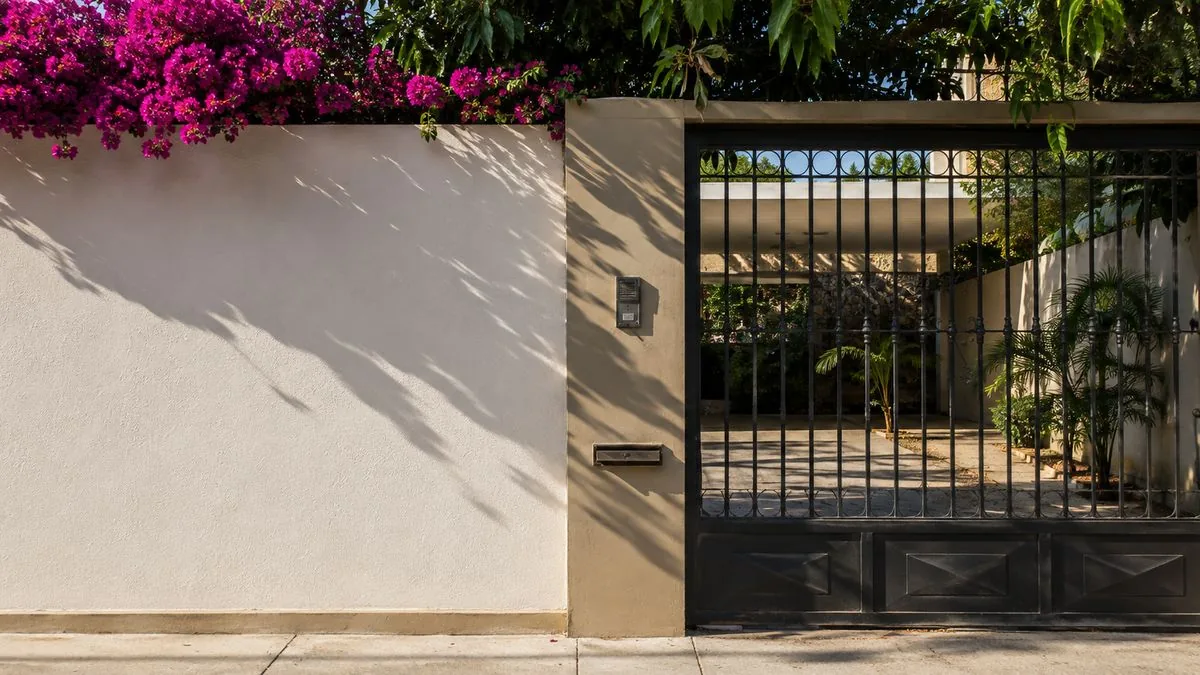
The three property scams that recur in Venezuela are the double sale, the sale of someone else's property, and forged documents or signatures. All three are defeated by the same procedure: verify ownership and liens at the registry through an independent lawyer before any money changes hands. Never the other way round.
Buying at a distance amplifies any lapse. When you are not in the country you cannot see who comes and goes from the property, you do not know the seller and you depend on what you are told. The good news is that Venezuelan property scams are not creative: they repeat in three formats, and all of them fail against the same procedure.
The three recurring scams
1. The double sale
The same property is offered and committed to several buyers at once, taking a deposit from each. When one of them registers the transfer, the rest lose.
2. Selling someone else's property
Someone offers a property they do not own. Sometimes an occupant, sometimes a relative without authority, sometimes a person who merely holds the keys.
3. Forgery
Altered title documents, forged signatures, or powers of attorney that are expired or never existed. This is the hardest to spot by eye, and the reason a registry check is indispensable.
The procedure that neutralises them
These are the steps, in order. The order matters as much as the steps.
Step 1. Title search by an independent lawyer
Independent means not sourced by the seller. This is your lawyer, you pay them and they answer to you. Their job is to confirm at the registry who the legitimate owner is and review the property's history.
Step 2. Review of liens and prohibitions
Confirm the property is free of mortgages, attachments, court measures or prohibitions on transfer. A property under an active measure cannot be transferred, however advanced the negotiation.
Step 3. Identity matching
Name and identity document must match exactly across every paper: the title deed, the seller's ID and any power of attorney. A small discrepancy is not an administrative detail, it is a warning sign.
Step 4. If a representative signs, verify the power
Check that the power of attorney exists, is current, expressly authorises a sale and meets formal requirements. A general power usually does not authorise selling: that authority has to be stated explicitly.
Step 5. Physical inspection
Someone you trust has to go inside. Not to admire the finishes, but to confirm there are no occupants, that the property matches its description and that its condition is what you were told. If you are buying from abroad, this is done as a live video call walking the entire property.
The rule that governs everything: verify first, pay second. Any legitimate seller understands that order. Anyone pressuring you to reverse it is telling you something important about the transaction.
Warning signs
- Hurry. "I have another buyer waiting" is the oldest line in the trade.
- A price far below market without a verifiable reason. In Maracaibo, Zulia, with more than 5,700 properties listed, there is plenty to compare against.
- Refusal to hand over a copy of the title deed for prior review.
- Payment requested to a third party who is neither the owner nor their formal attorney.
- Important agreements made only over WhatsApp with no document recording them.
- The seller proposes the lawyer and pushes you not to appoint your own.
How payment is structured
Never in a single movement and never without documents. The usual structure is a notarised purchase option setting price, term and deposit, typically 10 to 20 percent, with 30 to 90 days to final signature. That window exists precisely to complete verification. The balance is paid against signature and registration, not before.
If you are buying from abroad
Everything above applies equally, with two additions. First, the live virtual tour is not a luxury: it is your only pair of eyes. Second, your representative should report to you in writing at every stage, not through scattered messages. An orderly file of the transaction is also your protection if anything is disputed later.
This article is informational and does not replace legal advice. Every property transaction should be reviewed with a lawyer qualified in Venezuela before any money is committed.
Frequently asked questions
How do I verify that a seller really owns a property in Venezuela?
Through a title search carried out by an independent lawyer confirming ownership at the registry before you hand over any money. That search also reviews mortgages, attachments and prohibitions on transfer.
What are the most common property scams in Venezuela?
Three recur: the double sale, where the same property is committed to several buyers; the sale of someone else's property by a person who is not the owner; and forged documents or signatures.
Is a general power of attorney enough to sell a property?
Usually not. The authority to sell must be stated expressly in the power, so if a representative is signing you must verify the power exists, is current and specifically authorises that transaction.
How large is the deposit when reserving a property in Venezuela?
Typically 10 to 20 percent of the price, through a notarised purchase option that sets a 30 to 90 day window to final signature. That window exists to complete legal verification.
What are the warning signs of a property scam?
Pressure to close quickly, a price far below market without a verifiable reason, refusal to provide the title deed, payment requested to a third party who is not the owner, and pressure not to appoint your own lawyer.
Ready to take the step?
Let's talk about your situation, no strings attached. I reply personally within 24 hours.
Request a private consultation Message me on WhatsApp